

Pure water from your own well, for every connected home, and every faucet.
WellForward is a California nonprofit. We design, build and operate treatment systems for well water in small, rural communities to meet regulatory requirements for safe drinking water.
When your well's water isn't safe to drink
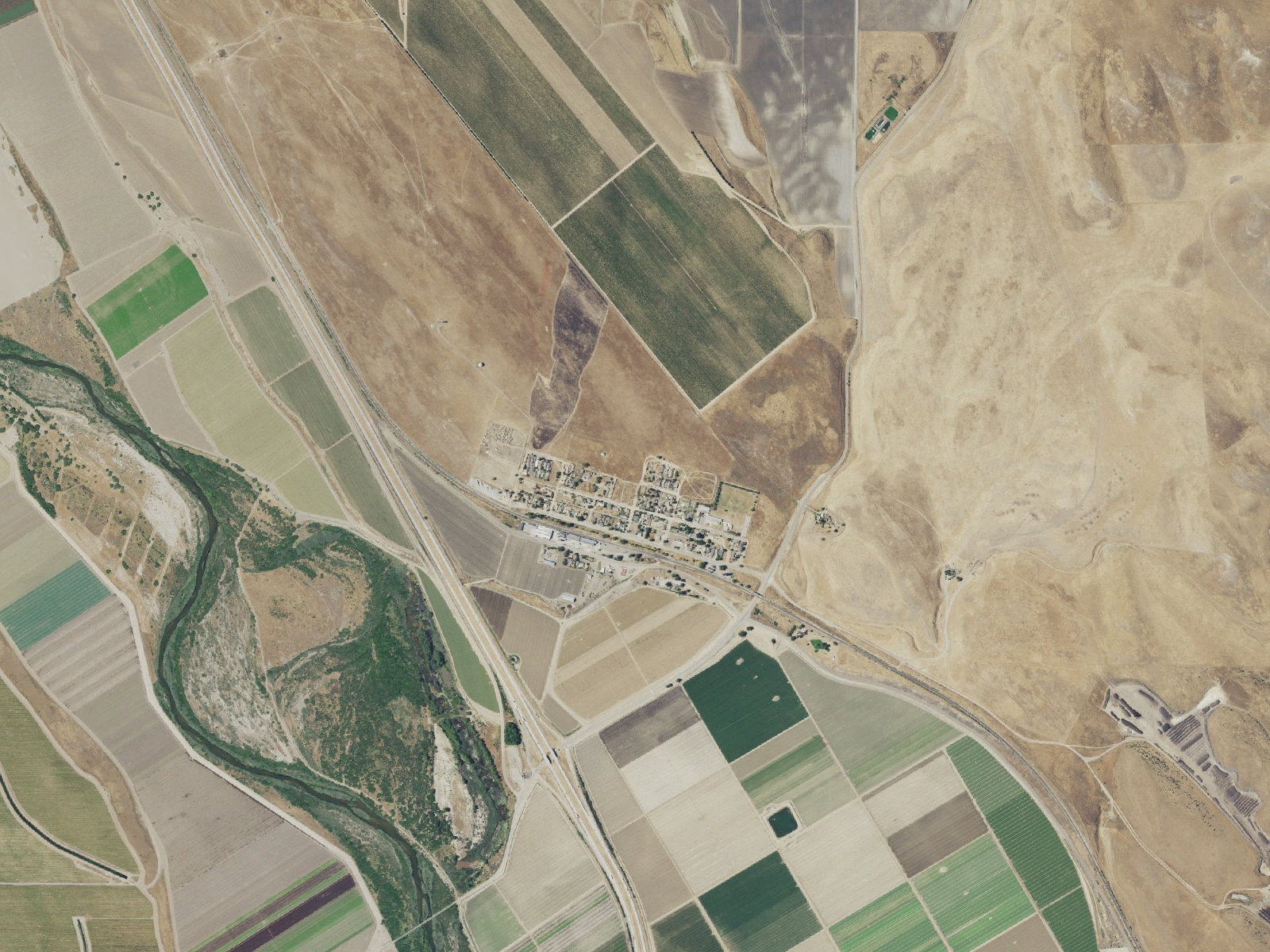
About 1 million people in rural California rely on wells that don't meet drinking water standards. The contamination can come from farming, industry or natural sources.
Small communities often lack the money, staff and technical know-how to manage a water treatment system. And some treatment technologies remove only a single contaminant, when several are often present.
The usual options don't solve the problem
- Connecting to a city water systemExtremely expensive and slow, or simply too far away.
- Bottled waterDoesn't stop exposure to contaminated water from bathing and cooking, and it's a high on-going cost.
- A filter under the sinkTreats one faucet and leaves the others contaminated. Safety at that faucet depends on each home properly maintaining its own treatment device.
Our solution
Well water treatment, managed effectively
WellForward systems treat the water from a shared well with one small system, which can remove most contaminants. The system constantly monitors water quality and makes operational adjustments on its own, and we can monitor performance from off-site. That is what allows one licensed operator to look after many wells in the same region, which keeps costs affordable.
- Safe water for each home at each faucet
- Monitored around the clock
- Designed to keep costs affordable
- Does not require connecting to a city water system
How it works
1A community water treatment solution
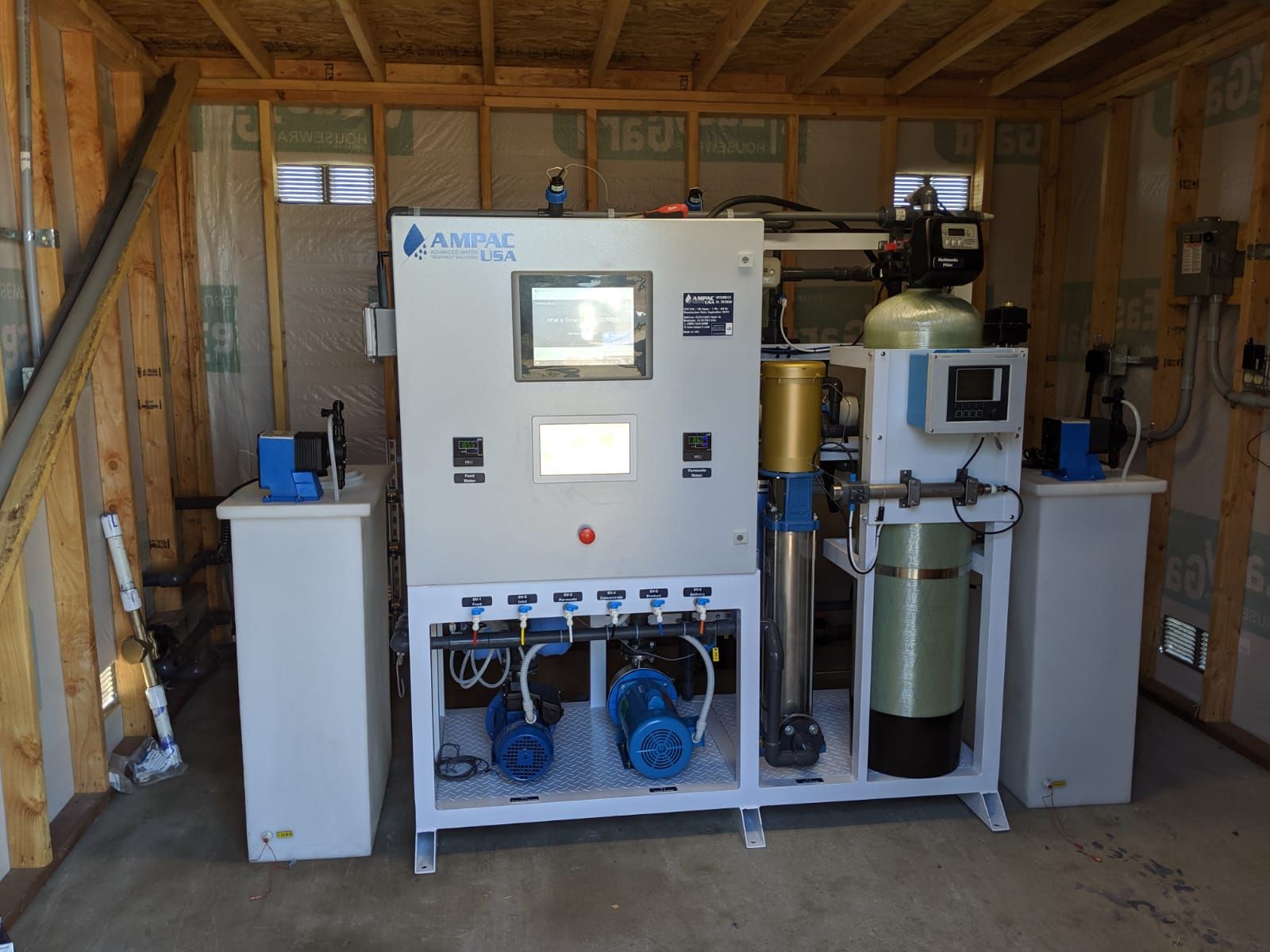
The treatment system uses reverse osmosis, which removes most contaminants. It is connected to the well and installed in a small shed. It can be set up in about one to three months, once existing infrastructure is ready and permits are issued.
2Monitored around the clock
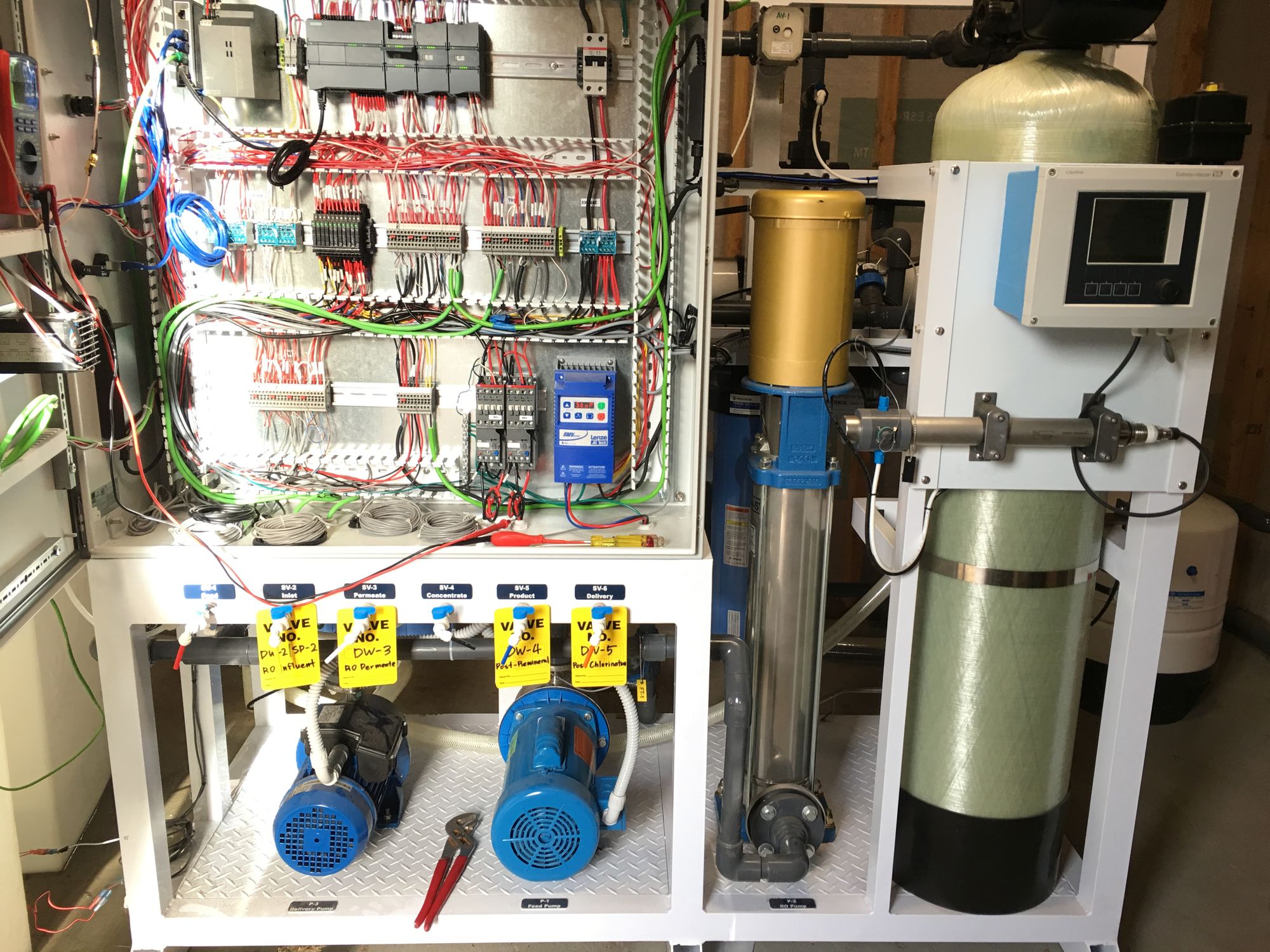
The treatment system monitors contaminant levels at each step of the process, and makes any adjustments on its own. It sends data to a remote dashboard every few seconds. If something needs attention, the operator gets an instant alert and can remotely control the system.
3One operator, many wells
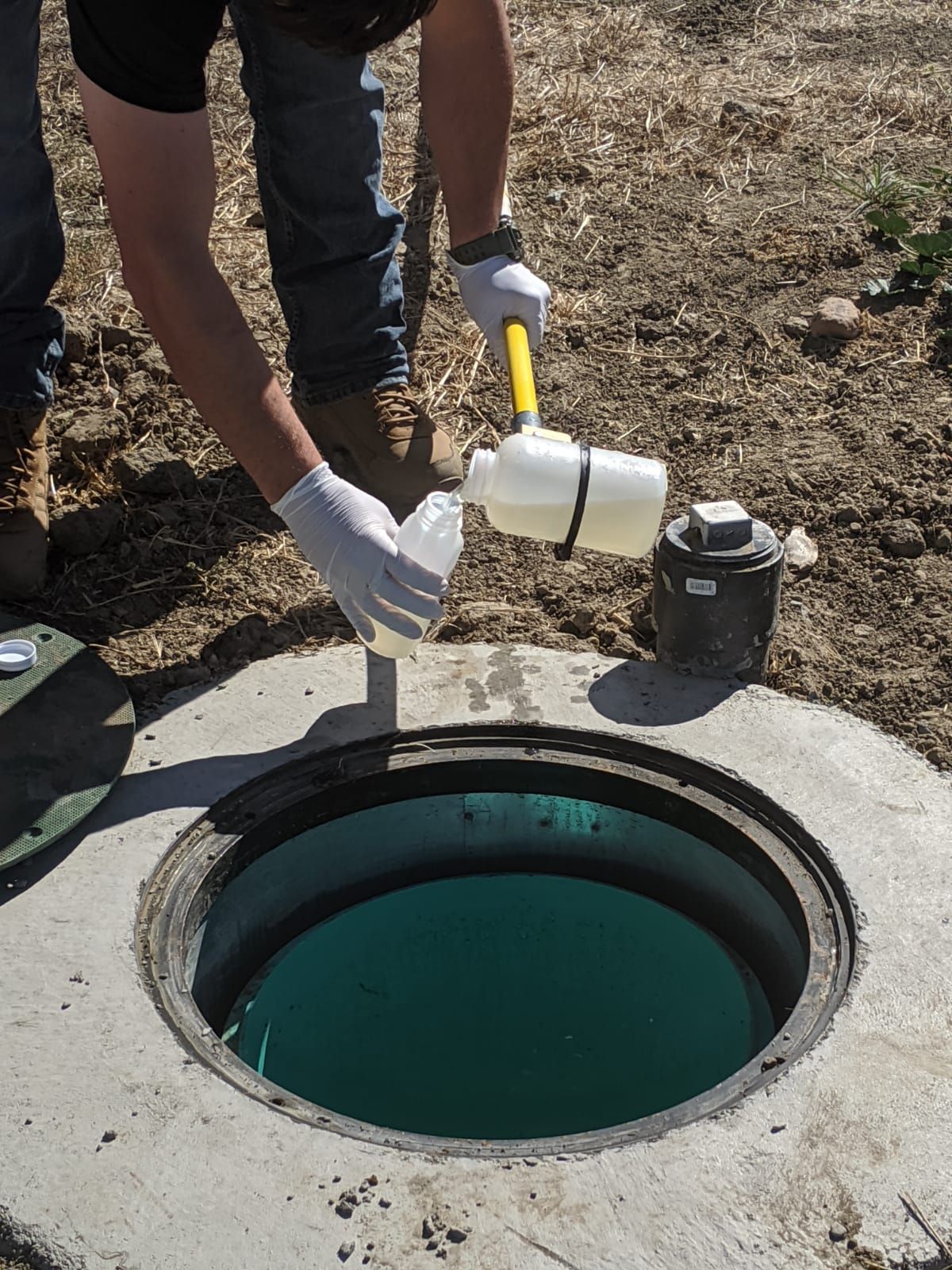
A licensed operator manages 20 to 30 systems in the same region, visiting about once a month or when needed. This is a Virtual Water District. Sharing one operator and bulk purchasing supplies keeps costs down for small communities.
Proven in a UCLA pilot
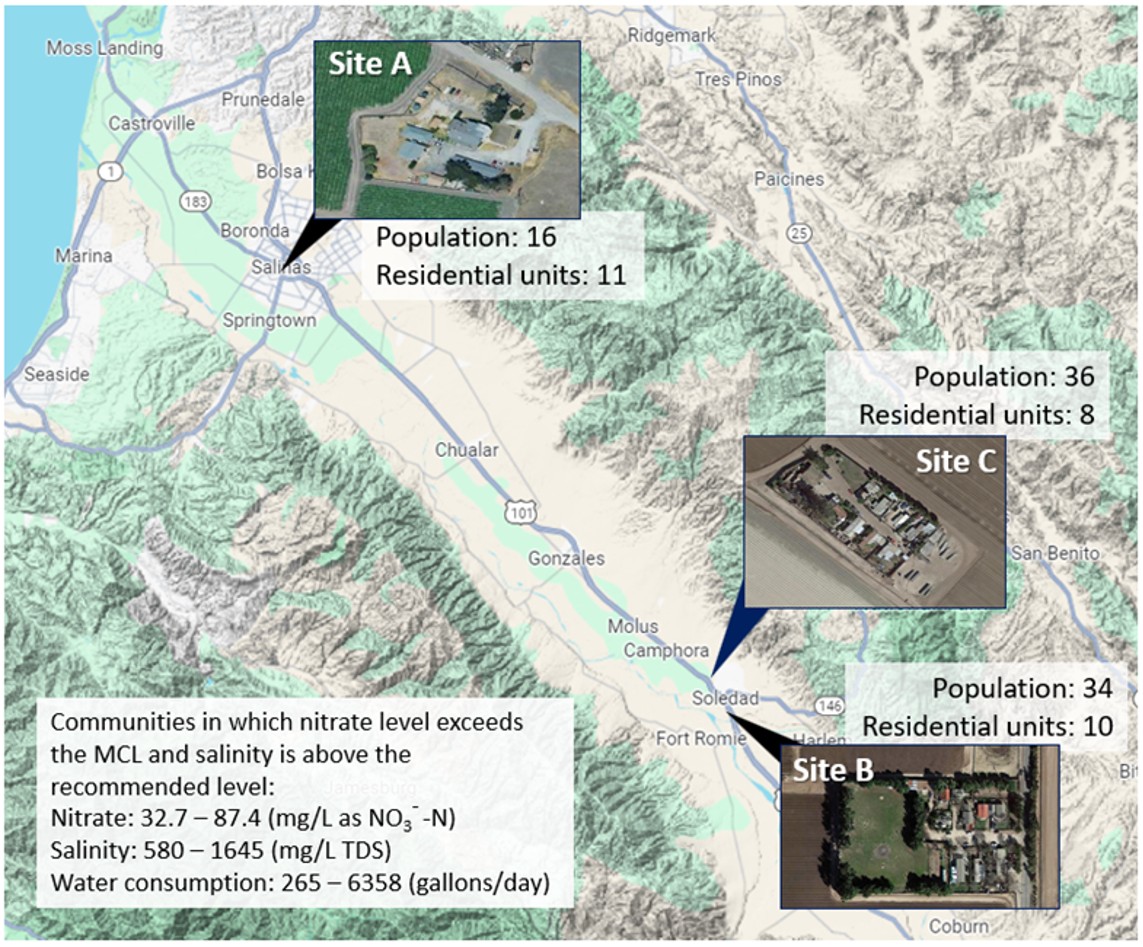
UCLA developed this well water treatment system and operated three systems in different locations in the Salinas Valley. The first began operating in 2020, and two more followed in 2022.
The pilot was funded by the California State Water Resources Control Board and the National Alliance for Water Innovation, with regulatory oversight from the County of Monterey Health Department and the Central Coast Regional Water Quality Control Board.
When the pilot ended, the well owners chose to keep the systems running and now pay for their upkeep.
Get Connected
We are working with communities, partner organizations and funders to make well water safe for more communities in Monterey County and beyond.
For well-owners & small communities
Learn how our treatment system and management work for you.
For funders
See how public and philanthropic funds build a virtual water district of treatment systems.
For technical assistance partners and utilities
See if our treatment system and management solve the problem for communities you serve.
For public agencies and regulators
Learn more about how the technology and management work.
Our team
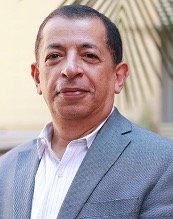
Dr. Yoram Cohen
UCLA Professor of Chemical and Biomolecular Engineering. Developed the technology and directed the pilot demonstration. Forty-five years leading technology development in water treatment and desalination.
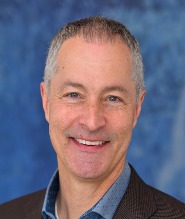
Dr. Peter Fiske
Founding Executive Director of the National Alliance for Water Innovation, now its Engagement and Technology Transitions Manager. Twenty-eight years bringing water and industrial technologies to market.
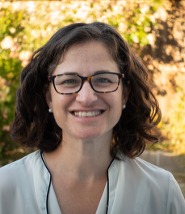
Ilana Cohen
Fifteen years leading programs that support energy and water ventures serving disadvantaged communities and utilities. MSc in Water Science, Policy and Management.
Get in touch to learn more
Whether you own a well, rely on one, work with rural communities, or fund water projects, we'd like to hear from you.